
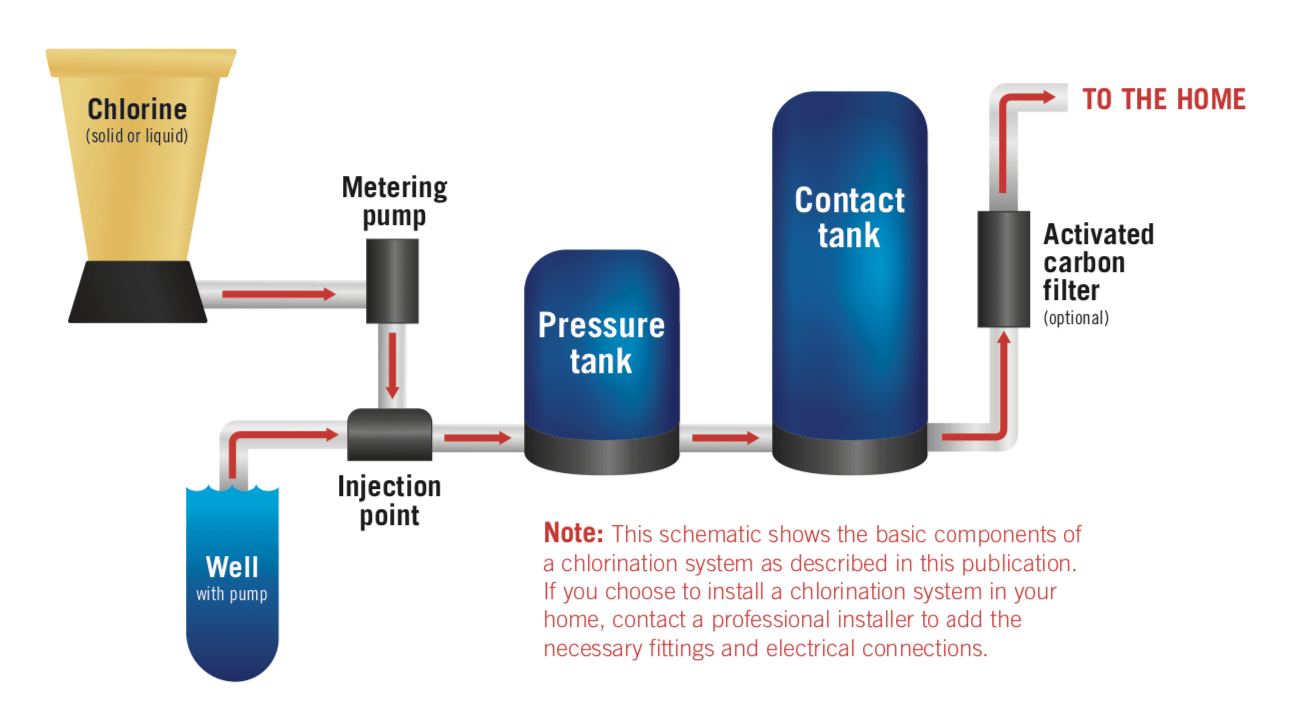
Chlorine is a common disinfectant used in municipal water supplies to kill harmful bacteria and keep drinking water safe. While effective, it often leaves behind an unpleasant taste and odor that many homeowners notice immediately.
Beyond taste concerns, long-term exposure to chlorine has raised questions about comfort and health. As a result, many homeowners explore water treatment systems designed specifically for chlorine removal to improve overall water quality.
Understanding how chlorine affects your home—and when treatment makes sense—can help you make the right decision.
Why Is Chlorine Added to Water?
Chlorine is added to public water supplies because it is highly effective at destroying bacteria, viruses, and other pathogens. According to guidance from the U.S. Environmental Protection Agency (EPA), chlorine remains one of the most reliable and cost-effective methods for keeping drinking water safe.
- Kills harmful microorganisms
- Provides residual protection as water travels through pipes
- Cost-efficient for large-scale municipal systems
Despite these benefits, chlorine can interact with organic matter in water, creating byproducts that concern some homeowners.
The Downsides of Chlorine in Your Water
The most noticeable drawback of chlorine is its strong taste and smell. Many people find it unpleasant when drinking, cooking, or showering.
Extended exposure may also contribute to dry skin, irritated eyes, and respiratory discomfort in sensitive individuals. The Centers for Disease Control and Prevention (CDC) notes that while chlorine is generally safe at regulated levels, reducing exposure can improve comfort for some households.
- Unpleasant taste and odor
- Possible skin and respiratory irritation
- Formation of disinfection byproducts over time
If chlorine contributes to plumbing-related moisture problems, it’s also wise to watch for signs of water damage around fixtures and pipes.
How Does Chlorine Removal Work?
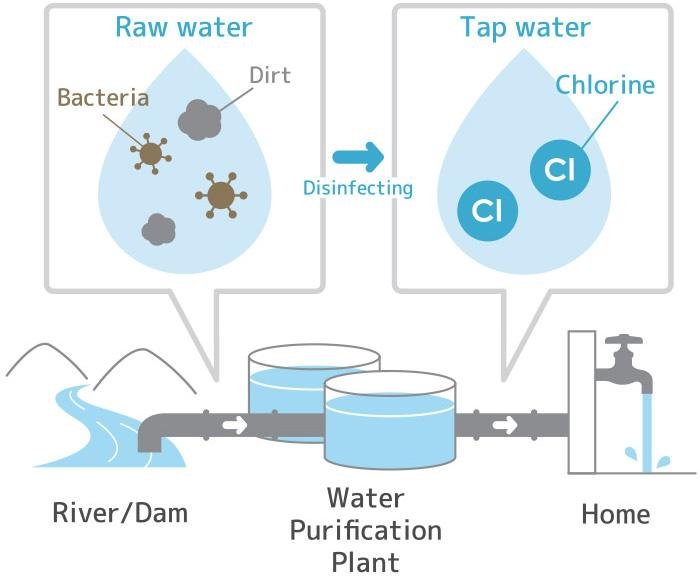
Chlorine removal systems work by filtering or neutralizing chlorine before it reaches your taps. The most common method is activated carbon filtration, which adsorbs chlorine molecules and significantly improves taste and odor.
More advanced systems, such as reverse osmosis, remove chlorine along with many other contaminants by forcing water through a semipermeable membrane.
- Activated carbon filtration
- Reverse osmosis systems
- Chemical neutralization methods
These systems are especially helpful when chlorine-related moisture contributes to issues that later require water damage restoration.
Water Purification Techniques for Chlorine Removal
Different purification techniques address chlorine in different ways. Granular activated carbon filters physically trap chlorine, while chemical methods like ozonation neutralize it.
Ultraviolet (UV) treatment does not remove chlorine directly, but it can complement filtration systems by addressing bacteria and pathogens.
- Granular activated carbon filters
- Ozonation systems
- UV treatment (as a supplement)
Choosing the right method depends on your water quality goals and household usage.
Evaluating Water Treatment Solutions: What to Consider
Before selecting a system, assess your water quality and household needs. Professional water testing can identify chlorine levels and other contaminants.
- Initial and long-term costs
- Maintenance requirements
- Certifications (NSF, EPA standards)
- Environmental impact
Ignoring these factors may lead to ongoing issues that affect plumbing and extend the water damage restoration timeline if leaks or moisture problems arise.
Should You Choose Kinetico for Chlorine Removal?
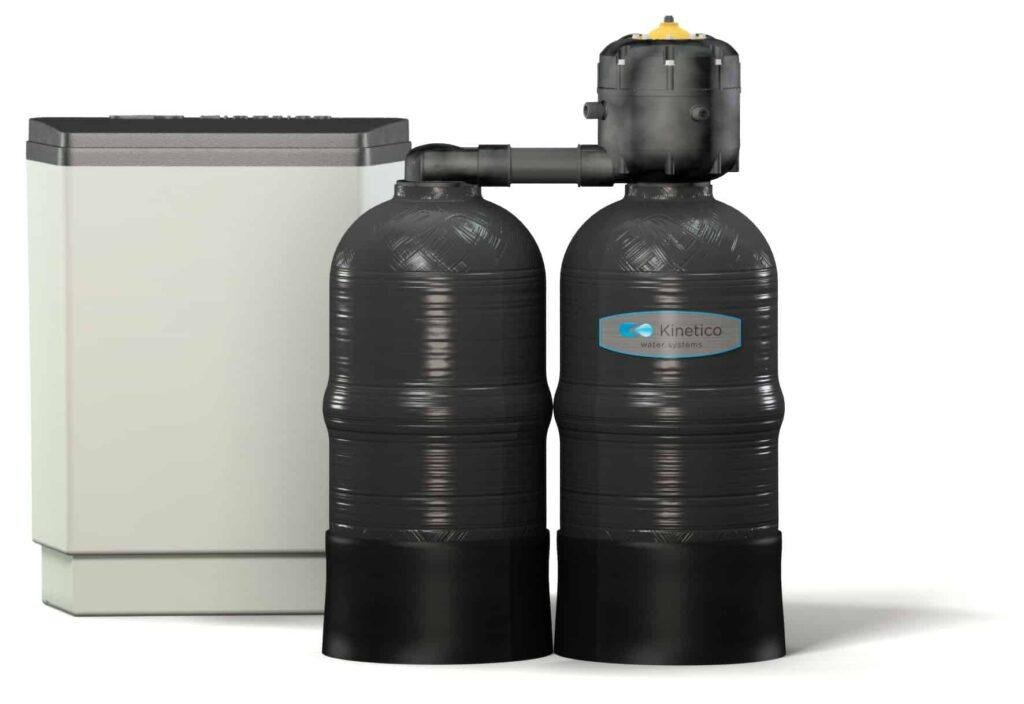
Kinetico is a well-known water treatment brand offering chlorine-reduction systems that rely on activated carbon technology. Many homeowners report noticeable improvements in water taste and smell after installation.
- Strong customer reviews
- Non-electric system designs
- Warranty and service support
As with any system, compare options carefully and ensure the solution aligns with your home’s specific water conditions.
Whole-House vs. Point-of-Use Systems
Whole-house systems remove chlorine from all water entering your home, protecting plumbing, appliances, and fixtures. Point-of-use systems focus on specific locations, such as kitchen sinks or showers.
- Whole-house: comprehensive protection
- Point-of-use: targeted and budget-friendly
- Maintenance needs vary by system type
Your choice should reflect your budget, water usage, and comfort priorities.
Is a Water Treatment System With Chlorine Removal Right for You?
If you notice persistent chlorine taste, odor, or skin irritation, a chlorine-removal system may be worth considering. Professional water testing can confirm whether treatment is necessary.
- Strong chlorine smell or taste
- Skin or respiratory discomfort
- Desire for better-tasting water
If testing reveals moisture-related concerns, addressing them early can simplify insurance claims should damage occur later.
Conclusion: Making the Best Choice for Your Home
Installing a water treatment system with chlorine removal can significantly improve water quality, comfort, and peace of mind. The right solution depends on your household’s needs, budget, and water conditions.
If you suspect chlorine-related moisture or plumbing concerns, or want expert guidance, you can get a free estimate or contact us to discuss the best solution for your home.
FAQs
What’s the difference between chlorine and chloramine in tap water?
Chlorine is a disinfectant that can gas off more easily; chloramine (chlorine + ammonia) is more stable and lasts longer in pipes, but can be harder to remove.
Do I need a whole-house filter or an under-sink filter for chlorine removal?
Under-sink is best for drinking/cooking water; whole-house is best if you also want chlorine reduced for showers, laundry, and overall taste/odor throughout the home.
Does boiling water remove chlorine?
Boiling can reduce free chlorine over time, but it’s not a reliable method for all situations (and it won’t effectively address chloramine).
How often do carbon filters need to be changed for chlorine removal?
Typically every 3–6 months for many under-sink/pitcher filters and 6–12 months (or longer) for some whole-house cartridges follow the manufacturer schedule and your water usage.
Will chlorine removal help protect fixtures or appliances?
It can improve water smell/taste and reduce chlorine exposure, but it won’t fix scale/hard-water problems; appliance/fixture longevity usually depends more on hardness, sediment, and overall water chemistry.

0 Comments