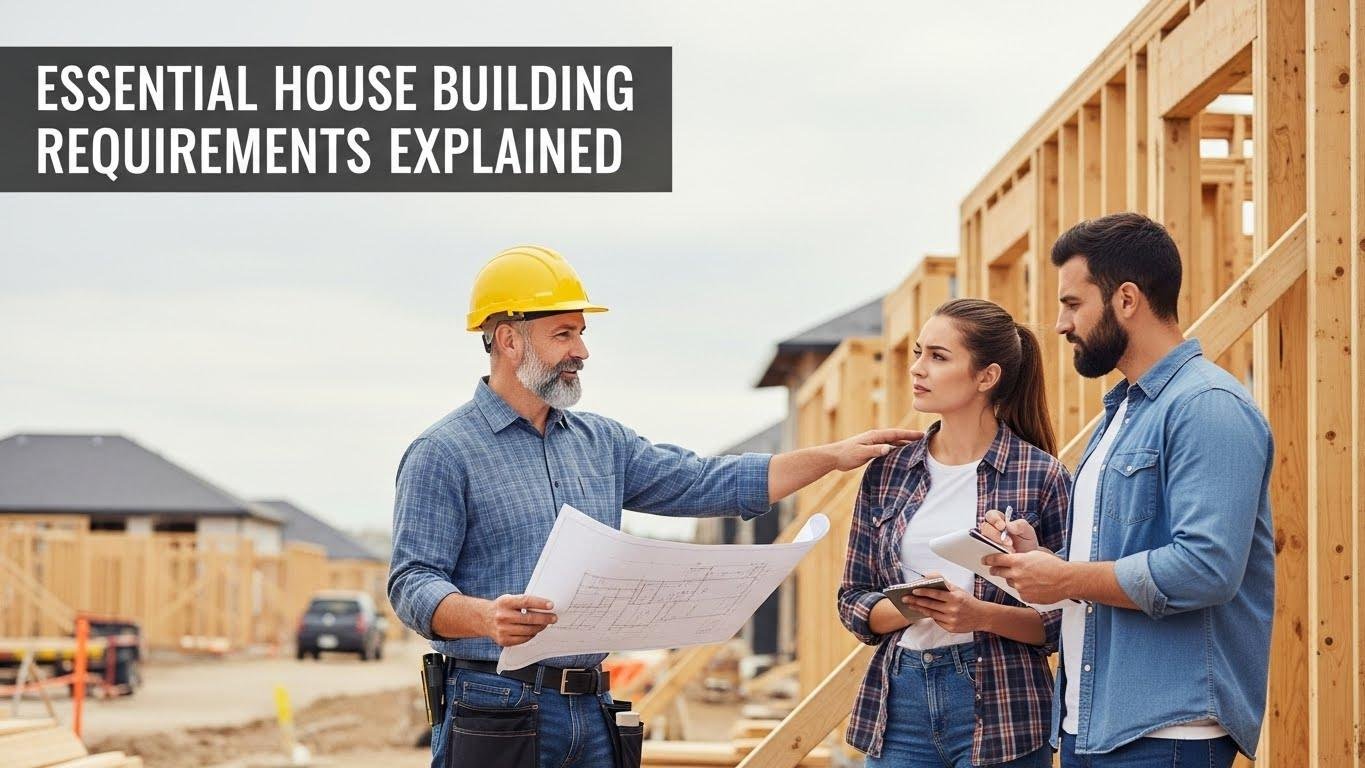
You’ve pictured it: your dream home on a beautiful piece of land. Before a single nail is hammered, an invisible framework of house building requirements must be navigated. Understanding these rules is the most important step to avoid costly mistakes, delays, and compliance issues while ensuring your home is safe, valuable, and built correctly from day one.
Zoning vs. Building Codes: What’s the Real Difference?
The first rules you’ll encounter are zoning laws for new construction. Zoning regulations determine what you can build and where it can sit on your property. This includes land use (residential vs. commercial), setbacks from property lines, height limits, and lot coverage.
Once zoning confirms your project is allowed, building codes explain how the home must be constructed. These codes ensure structural integrity, fire safety, electrical reliability, and plumbing performance. Most U.S. jurisdictions base their rules on standards developed by the International Code Council (ICC).
In some areas, additional restrictions apply—such as floodplain regulations. If your property is near a flood-prone zone, local officials may reference the FEMA Flood Map Service Center to determine elevation and construction requirements.
Finally, private HOA covenants may impose design rules on materials, colors, or fencing. Together, zoning laws, building codes, and HOA guidelines form the foundation of your project’s legal compliance.
From Dirt to Doorbell: Your 4-Step Building Approval Checklist
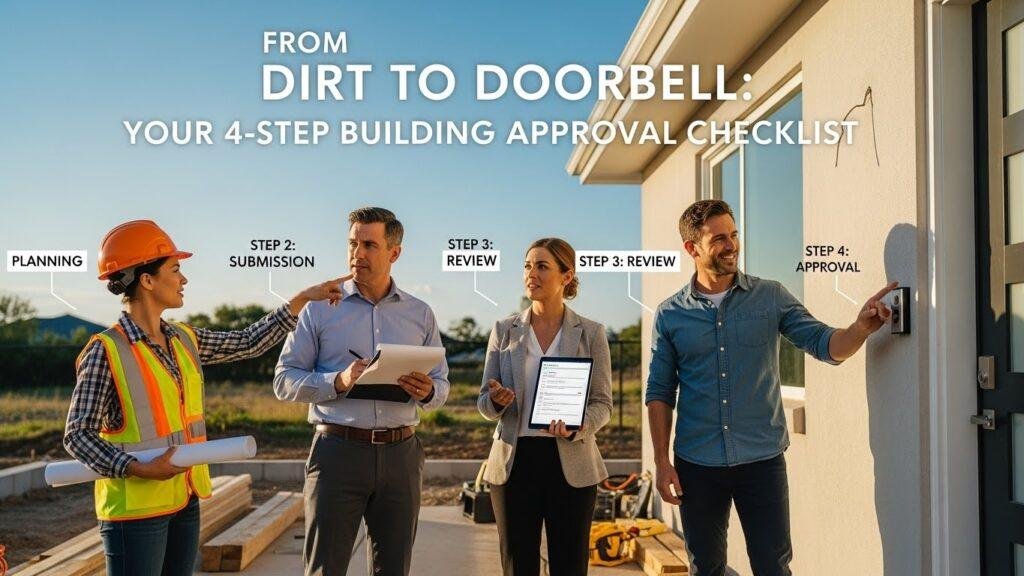
Most residential builds follow a predictable approval path. Use this streamlined checklist to understand the process:
- Verify Your Land: Confirm zoning, floodplain status, utilities, and HOA rules.
- Get Your Permit: Submit plans to obtain a Building Permit, which authorizes construction.
- Build & Pass Inspections: City inspectors review key stages—foundation, framing, electrical, and plumbing. Framing must pass inspection, which is why experienced framing contractors are essential.
- Certificate of Occupancy: After final approval, this document confirms the home is safe to live in.
Early inspections often focus on the base of the structure. Any issues at this stage may require corrections by qualified foundation contractors, making proper planning critical.
Your First Call: The Local Planning Department
Your first call shouldn’t be about design or even a cost to build a house estimate. It should be to your local planning department.
Ask: “I’m considering the property at [address or parcel number]. Can you explain zoning, floodplain status, and utility access?”
This single conversation informs everything that follows from the new construction utility hookup process to hiring the right general contractor. It can also clarify whether septic systems are required; if so, the EPA septic systems overview is a helpful reference.
For deeper insight into how federal, state, and local rules interact, see this overview on (CRS report).
Final Thoughts
House building requirements aren’t red tape—they’re safeguards that protect your investment, your safety, and your timeline. By understanding zoning, permits, inspections, and codes early, you build with confidence instead of surprises.
Need help planning your build? Get professional guidance from day one request a Free estimate or Contact Space Construction Inc. to start your project on solid ground.

0 Comments