
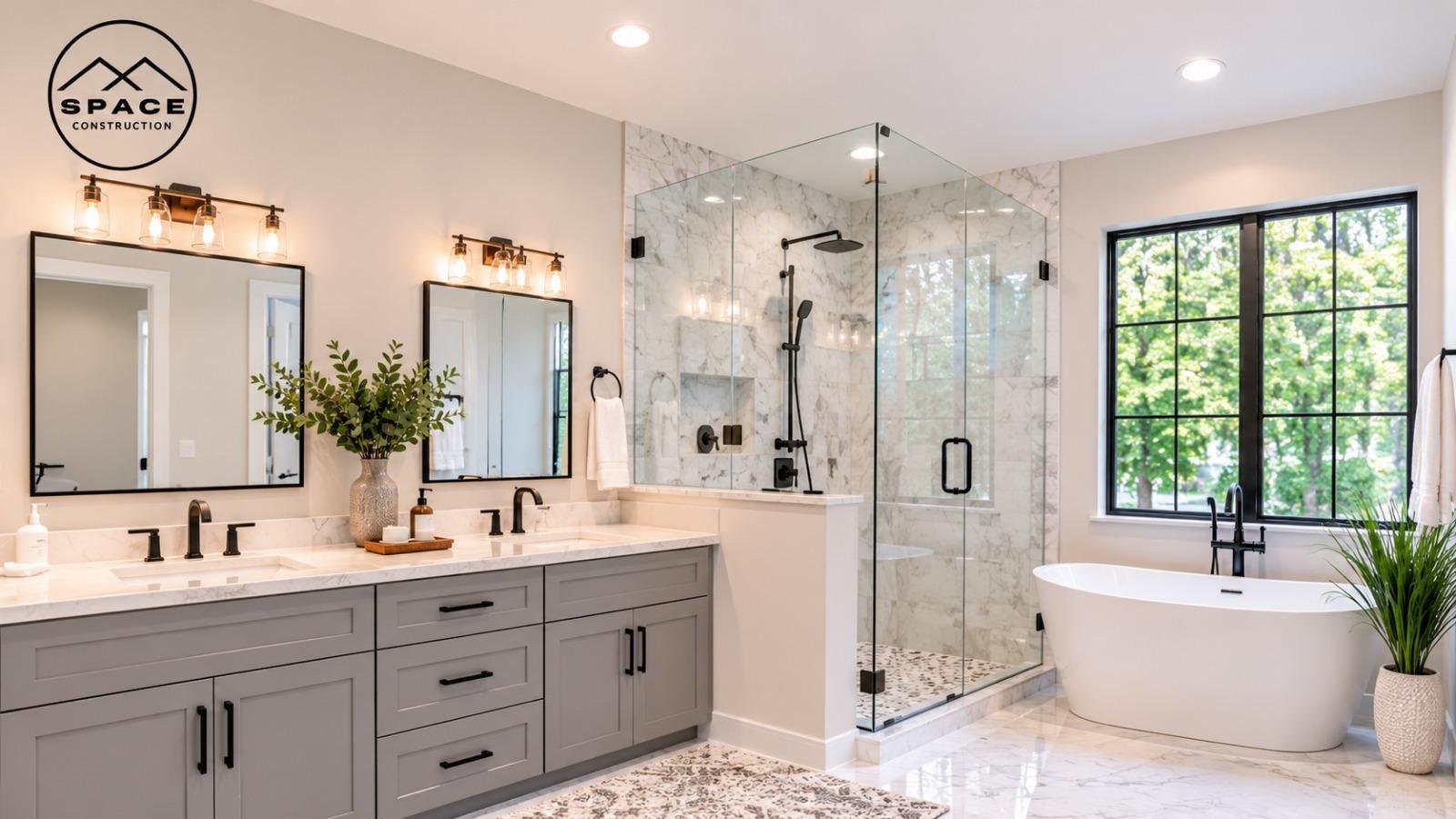
A bathroom works harder than almost any other room in the house. It deals with moisture, heat, daily traffic, and busy mornings, all in a small footprint. When it starts to feel dated or cramped, bathroom remodeling in Flower Mound TX can restore comfort and function without the hassle of moving.
This guide explains how to decide what your bathroom needs, plan the layout, choose durable materials, and ask the right questions before hiring a contractor.
Signs Your Bathroom Is Ready for a Change
Not every bathroom needs a full overhaul. Some only need a few targeted upgrades. Still, certain warning signs usually point toward a bigger project.
- A musty smell or discoloration near the tub, shower, or toilet
- Grout that keeps cracking or tile that has come loose
- A floor that feels soft or flexes underfoot
- Mirrors that stay fogged long after a shower because of weak ventilation
- Fixtures that leak, run constantly, or are hard to repair
- A layout that makes the room feel crowded, with too little storage
Water damage deserves extra attention. A stained ceiling below an upstairs bathroom, or a spongy section of flooring, can mean moisture has been escaping for a while. In those cases, a remodel is a chance to fix what is hidden behind the walls instead of only refreshing the surface.
Deciding How Far to Go
The right scope depends on your goals, the condition of the room, and how long you plan to stay in the home.
A Surface Refresh
If the plumbing and layout work well, you may only need new paint, lighting, a vanity, a mirror, and updated hardware. This approach changes the look of the room with less disruption.
A Full Remodel
When the layout is awkward or the materials are worn out, a complete remodel makes more sense. This usually means removing old finishes, checking the subfloor and walls, updating plumbing and electrical as needed, and rebuilding the room from the studs outward.
Accessibility and Comfort Updates
Many households want a bathroom that stays easy to use for years. Curbless showers, grab bars with proper blocking, wider doorways, and slip-resistant flooring can be planned into a remodel from the beginning, which is far easier than adding them later.
Plan the Layout Before You Pick the Finishes
It is tempting to start with tile samples, but the layout shapes how the room feels every day. Spend time on the questions below before choosing any finish.
Think about who uses the bathroom and when. A shared bathroom may benefit from double sinks or a separate toilet area. A guest bathroom may only need a compact, tidy design. Look at how the door swings, where the light falls, and whether the vanity leaves enough room to move around.
Moving a toilet, shower, or tub can affect plumbing and increase the complexity of the project. Keeping major fixtures in their current positions is often more practical, while smart choices such as a larger shower or a floating vanity can still open up the room.
Materials That Handle Daily Moisture
Bathrooms are tough on materials, so durability matters as much as appearance.
Flooring. Porcelain and ceramic tile resist water well, and textured finishes add grip. Luxury vinyl is another moisture-friendly option with a softer feel underfoot.
Shower surfaces. Large-format tile means fewer grout lines to clean. Solid surface panels and similar systems can also reduce maintenance.
Waterproofing. What goes behind the tile matters more than the tile itself. Proper membranes, sealed seams, and correct slope in the shower pan protect the structure of your home.
Ventilation. A quiet, properly sized exhaust fan helps remove humidity and slows mold growth. It is a small upgrade with a big long-term payoff.
Lighting. Layered lighting, with bright light at the vanity and softer light elsewhere, makes the room more comfortable for grooming and relaxing.
What to Know About Bathroom Remodeling in Flower Mound TX
Every project has its own details, and homeowners in this part of Texas should keep a few general points in mind. Houses differ in age and construction, so what lies behind your walls may not match what a neighbor found in theirs. A careful inspection at the start helps avoid surprises once demolition begins.
Permit requirements can also apply to certain plumbing, electrical, or structural changes, and some neighborhoods have homeowners association guidelines. Checking the rules for your property early keeps the schedule from slipping later. A contractor who handles this paperwork clearly and keeps you informed makes the process much easier to follow.
Where Space Construction Fits In
Choosing who will work in your home is as important as choosing the tile. If you are considering Space Construction for your bathroom project, a good first step is a conversation about what you want to change, what frustrates you about the current room, and how you use the space day to day.
From there, you can talk through the scope, the layout options, and the materials that suit your home and routine. Clear communication at the start helps everyone understand the plan before work begins.
Questions Worth Asking Any Remodeler
Before signing anything, ask for clear answers to the following.
- Who will manage the project day to day, and how will updates be shared?
- Which parts of the work are handled directly, and which are done by specialists?
- How are permits and inspections handled?
- What happens if hidden damage is found after demolition?
- How are changes to the plan documented?
- What will be included in the written scope of work?
A reliable contractor welcomes these questions. If answers feel vague, that is worth noticing before the project begins.
Budget and Timeline Factors to Understand
Rather than chasing a single number, focus on what drives the overall cost. The size of the room, the extent of demolition, plumbing changes, the grade of tile and fixtures, custom glass, cabinetry, and the amount of repair work behind the walls all play a role.
Timing depends on similar factors. A simple refresh moves quickly, while a full remodel involves demolition, rough-in work, inspections, waterproofing, tile setting, and finish installation. Material availability can also affect the schedule, so ordering key items early is wise.
If the bathroom is the only one in your home, plan ahead for the period when it will be unavailable. Many families set up a temporary arrangement elsewhere in the house so daily routines continue smoothly.
Ready to Start Planning Your New Bathroom?
A successful remodel begins with a clear idea of what you need, a realistic plan, and a contractor you feel comfortable working with. Whether you want a small refresh or a complete rebuild, taking time to think through layout, materials, and scope will pay off for years.
Why not begin by listing what you like and dislike about your current bathroom and then reaching out to Space Construction to talk through your ideas?
Frequently Asked Questions
How do I know whether to remodel or only make small updates?
If the layout works and there is no sign of water damage, small updates such as a new vanity, lighting, and paint may be enough. Persistent leaks, soft flooring, or a room that no longer fits your needs usually call for a full remodel.
Do I need a permit for a bathroom remodel?
It depends on the work involved. Cosmetic changes often do not need one, but plumbing, electrical, or structural changes commonly do. Confirm the requirements for your property with the local authority before work starts.
Can I stay in my home during the remodel?
Most homeowners do. The main challenge is losing access to the bathroom for a period, so plan an alternative arrangement, especially if it is the only bathroom in the house.
What materials work best in a bathroom?
Porcelain or ceramic tile, quality waterproofing, moisture-resistant cabinetry, and a good ventilation fan are all strong choices. The best combination depends on your style, your routine, and how much maintenance you want to handle.
What should I prepare before meeting a contractor?
Gather photos of bathrooms you like, a list of problems with the current room, and notes on how many people use it. Having a clear picture of your priorities makes the first conversation more productive.

0 Comments