
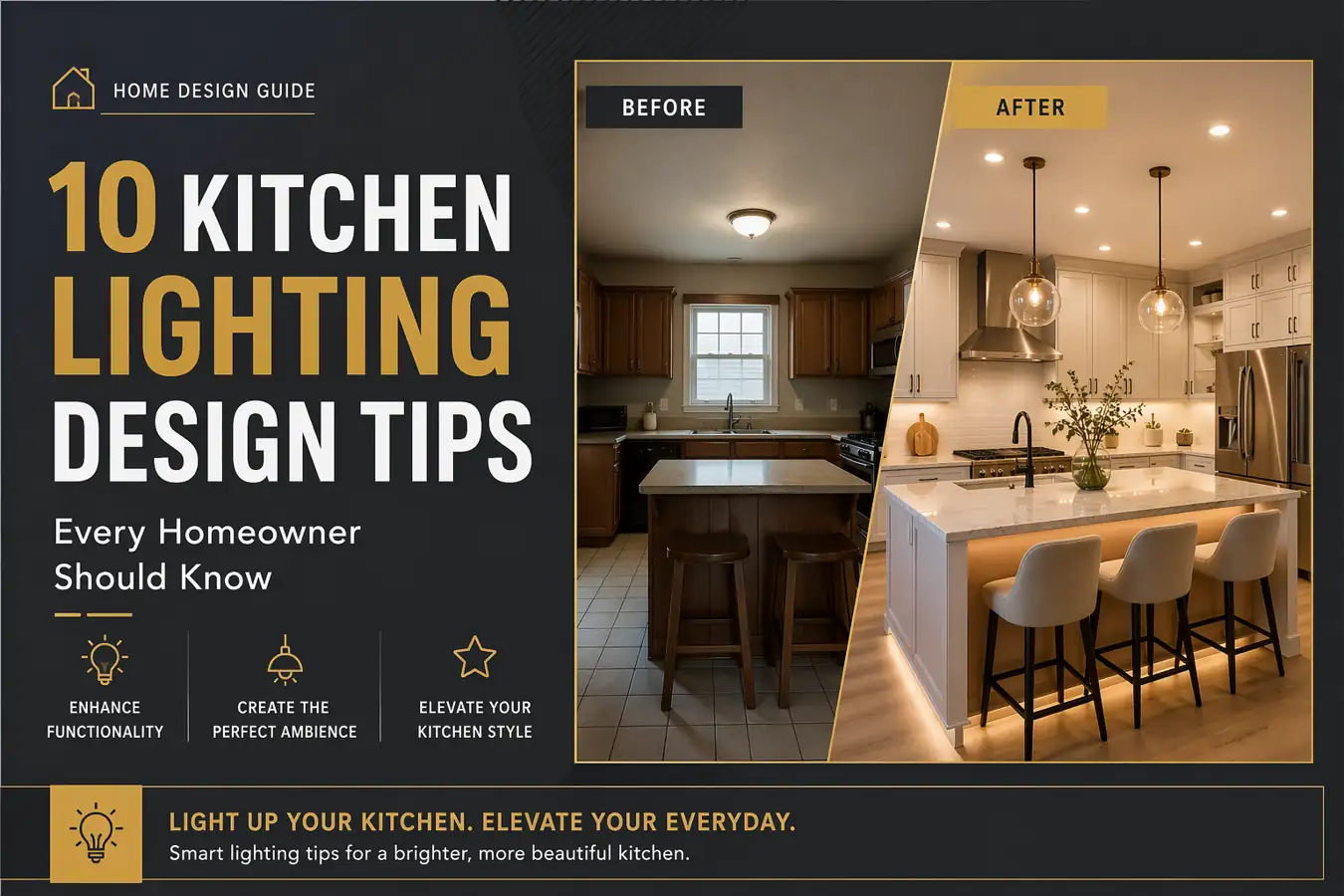
When homeowners search for kitchen lighting design tips for functionality, they’re often trying to solve one core problem: poor lighting that makes everyday kitchen tasks harder, less safe, and less enjoyable. Whether you’re renovating or upgrading, the right kitchen lighting plan can completely transform how your space performs and feels.
At Space Construction Inc, we’ve seen firsthand how strategic lighting design turns inefficient kitchens into highly functional, visually stunning spaces.
What Causes Poor Kitchen Lighting Design?
Most kitchens suffer from poor lighting because they rely on a single light source or outdated ceiling lighting. Without proper layering, shadows form over prep areas, and visibility becomes inconsistent. Another common issue is ignoring color temperature, which affects mood, clarity, and even food presentation.
Homeowners often overlook how lighting fixtures, cabinet placement, and kitchen islands impact light distribution. Without a proper kitchen lighting guide, even expensive renovations can fall short in functionality.
For additional insights, refer to research from energy-efficient lighting studies, guidelines from U.S. Department of Energy, and recommendations by the Illuminating Engineering Society.
DIY Kitchen Lighting: What Homeowners Try First
Many homeowners attempt to design kitchen lighting themselves by installing basic led lights, swapping outdated fixtures, or adding a decorative wall sconce. DIY methods usually include:
- Replacing overhead lights with modern decorative light fixtures
- Installing stick-on cabinet lights
- Adding under-cabinet LED strips
- Using portable lamps or wall lights
While these upgrades can improve aesthetics, they rarely address deeper functional issues. Many homeowners also refer to online tips without understanding common mistakes that compromise efficiency.
Why DIY Kitchen Lighting Design Often Fails
DIY approaches fail because they ignore professional kitchen lighting design rules of thumb. Lighting isn’t just about brightness it’s about balance. Without a proper layer of lighting (ambient, task, and accent lighting), kitchens remain unevenly lit.
Here’s why DIY solutions fall short:
- Improper placement: Lights are installed without considering workflow zones.
- Wrong color temperature: Mixing warm and cool lights creates visual discomfort.
- Insufficient task lighting: Critical areas like countertops remain dim.
- Over-reliance on one fixture: A single ceiling fixture cannot support full functionality.
Even experienced DIYers struggle without professional planning, especially during larger renovations. That’s why many turn to kitchen renovation experts for long-term results.
Are Lighting Materials and Products a Risk?
While lighting itself isn’t chemical-heavy, low-quality fixtures can pose risks. Poorly manufactured led lights may overheat, and cheap wiring increases fire hazards. According to the EPA Safer Choice Program, choosing certified, energy efficient products reduces environmental and safety risks.
Additionally, improper installation can damage walls, ceilings, and cabinetry—especially during remodeling phases.
10 Kitchen Lighting Design Tips for Maximum Functionality
1. Layer Your Lighting Properly
Combine ambient lighting, task lighting, and accent lighting to eliminate shadows and improve visibility.
2. Focus on Task Zones
Install focused lighting over prep areas, sinks, and kitchen islands for efficiency and safety.
3. Use LED for Efficiency
LED lights provide long-lasting, energy efficient illumination and reduce utility costs.
4. Choose the Right Color Temperature
Stick to consistent color temperature (3000K–4000K) for clarity and comfort.
5. Install Under-Cabinet Lighting
Cabinet lights eliminate shadows and improve countertop visibility.
6. Add Accent Lighting for Depth
Highlight architectural features or backsplashes with accent lighting.
7. Select Functional Fixtures
Choose kitchen light fixtures that balance aesthetics and performance.
8. Incorporate Wall Lighting
Wall lights and sconces enhance ambiance and fill lighting gaps.
9. Plan Ceiling Lighting Strategically
Use recessed ceiling lighting for even distribution.
10. Follow Professional Rules of Thumb
Spacing, wattage, and fixture height all matter—details professionals get right.
Signs You Need Professional Kitchen Lighting Services
If your kitchen still feels dim or inefficient after upgrades, it’s time to call professionals. Look for these signs:
- Uneven lighting across workspaces
- Persistent shadows on countertops
- High energy bills despite upgrades
- Frequent bulb replacements
- Outdated or mismatched fixtures
Before starting a remodel, reviewing an inspection checklist can help identify lighting issues early.
Why Choose Space Construction Inc
At Space Construction Inc, we don’t just install lights—we engineer complete lighting design systems tailored to your lifestyle. Our experts understand how interior design, layout, and lighting interact to create a fully functional kitchen.
We serve homeowners across Texas, including Dallas, Plano, Frisco, Addison, Allen, Garland, and Murphy, delivering solutions aligned with your space and goals.
Our team also integrates lighting seamlessly into broader remodeling plans, ensuring your kitchen works as beautifully as it looks. For deeper planning insights, explore this remodeling guide.
FAQs – Kitchen Lighting Design Tips for Functionality
What are the best kitchen lighting design tips for functionality Dallas homeowners should follow?
Dallas homeowners should focus on layered lighting, combining ambient, task, and accent lighting. Prioritize LED fixtures, proper spacing, and consistent color temperature to ensure efficiency, safety, and visual appeal in all kitchen zones.
How do I design kitchen lighting for better task visibility?
Use dedicated task lighting under cabinets and above work areas like sinks and islands. Proper positioning ensures shadows are minimized, improving visibility and reducing strain during food preparation and cooking.
What kitchen lighting design rules of thumb should I follow?
Maintain consistent spacing between fixtures, choose the right brightness levels, and ensure lighting layers are balanced. These rules help create uniform illumination while enhancing both function and aesthetics.
Which kitchen light fixtures are best for modern homes?
Modern kitchens benefit from recessed ceiling lights, pendant fixtures over islands, and under-cabinet LEDs. These options provide flexibility, energy efficiency, and a sleek, contemporary look.
Are LED lights the best option for kitchen lighting?
Yes, LED lights are energy efficient, long-lasting, and available in various color temperatures. They reduce electricity costs while providing consistent and high-quality illumination.
How does color temperature affect kitchen lighting?
Color temperature impacts mood and visibility. Warmer tones create a cozy atmosphere, while cooler tones improve clarity. A balanced range ensures functionality without compromising comfort.
When should I hire a professional for kitchen lighting design?
If your lighting is uneven, inefficient, or poorly placed, hiring a professional ensures proper planning and installation. Experts optimize layout, fixture selection, and overall lighting performance.
Conclusion: Transform Your Kitchen with Expert Lighting Design
Effective kitchen lighting design tips for functionality go far beyond simple fixture upgrades—they require strategic planning, technical expertise, and a deep understanding of how lighting interacts with your space. While DIY improvements can help temporarily, they rarely deliver long-term performance.
If you want a kitchen that truly works for your lifestyle, the next step is simple. Connect with experienced professionals who can design and install a lighting system tailored to your needs. Schedule a consultation today with Space Construction Inc or request your free estimate to get started.

0 Comments